
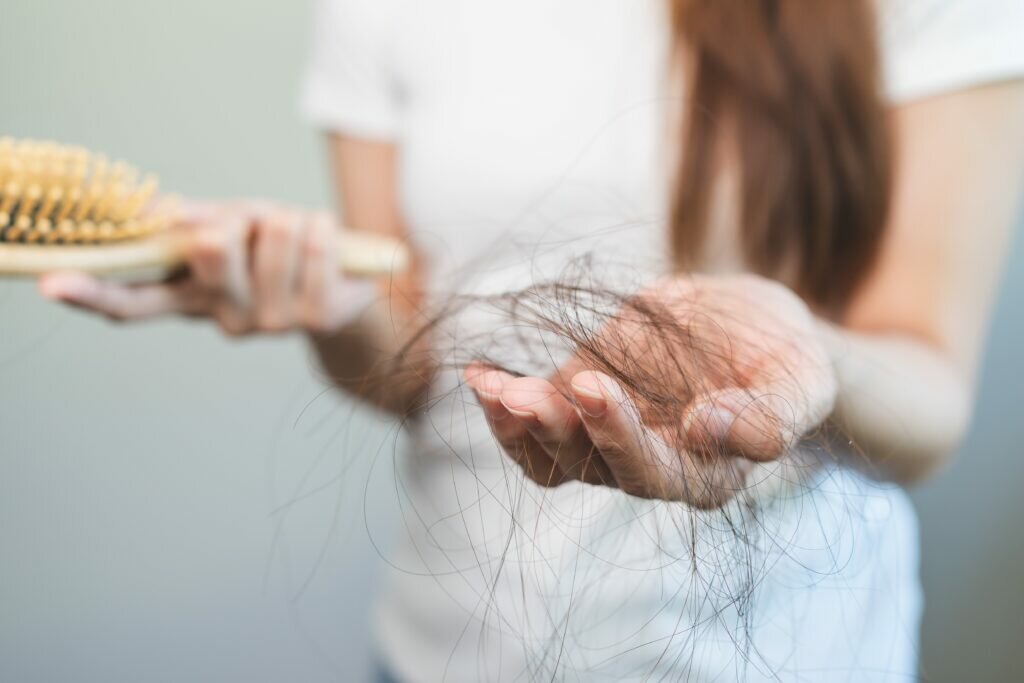
Permanent hair loss can affect your appearance and confidence. Oils, shampoos and serums may improve hair care but cannot restore lost follicles. Understanding the cause and choosing the right treatment helps achieve better results.
Understand the Difference Between Temporary and Permanent Hair Loss
Not every type of hair loss is permanent. Temporary shedding may happen because of stress, nutrition problems or lifestyle changes. In these cases improving health and correcting the underlying cause may help restore normal growth.
Permanent hair loss occurs when follicles become inactive or damaged. This condition usually requires professional treatment because simple hair products cannot bring back lost follicles.
Signs of Permanent Hair Loss
Common signs include:
- Visible scalp areas
- A receding hairline
- Reduced hair density
- Widening hair part
- Bald patches that continue to increase
Key Points to Know:Recognizing these signs early helps you explore suitable treatment options before the condition progresses.
Temporary Solutions Have Limited Results
Hair care products are commonly used to manage hair concerns. They may reduce dryness, improve softness or support scalp health. However they cannot rebuild areas where healthy follicles are no longer active.
Why Short-Term Treatments May Not Work
Temporary options often:
- Provide surface-level improvement
- Do not restore inactive follicles
- Cannot reverse advanced hair loss
- Offer results that may not last
Key Points to Know:Choosing treatments without understanding the actual cause can delay effective care. A professional assessment helps identify what your hair needs.
Detailed Assessment Supports the Right Treatment Plan
Every hair loss condition requires a different approach. A specialist examines your scalp and hair pattern before suggesting any treatment.
Important Factors Specialists Check
The evaluation usually includes:
- Hair loss pattern
- Scalp condition
- Existing hair density
- Donor hair quality
- Overall hair health
Important Things to Know:This detailed assessment helps create a personalized plan that focuses on achieving natural-looking improvement.
Long-Term Treatment Can Restore Lost Hair
Permanent hair loss requires a solution that focuses on inactive areas. A hair transplant helps restore hair by transferring healthy follicles from one area of the scalp to areas with reduced growth.
The procedure focuses on natural placement and balanced density to create results that match your appearance. Healthy follicles continue their natural growth cycle after recovery.
Important Factors for Successful Results
A successful restoration process depends on:
- Experienced specialists
- Proper treatment planning
- Healthy donor follicles
- Correct aftercare
Read This First:If you are looking for the best hair transplant in Lahore choose a clinic that provides expert consultation, modern techniques and personalized care.
Avoid Delaying Professional Care
Ignoring permanent hair loss can make restoration more challenging. Early consultation allows specialists to understand your condition and recommend suitable options.
Benefits of Timely Treatment
Early professional guidance can help:
- Protect existing hair
- Understand the cause of loss
- Choose suitable treatment
- Improve long-term outcomes
Taking action early provides more opportunities for effective hair restoration.
Proper Care Helps Maintain Hair Strength
Healthy routines play an important role in maintaining hair quality. While lifestyle changes cannot restore permanently inactive follicles they support stronger existing hair.
Simple Ways to Maintain Hair Health
Follow these habits:
- Eat a balanced diet
- Drink enough water
- Manage stress levels
- Sleep properly
- Follow professional advice
Good daily care supports overall scalp health and helps maintain better hair condition.
Follow-Up Care Improves Recovery
Hair restoration is a gradual process that requires patience. Regular follow-up appointments allow specialists to monitor progress and provide proper guidance.
Why Regular Monitoring Matters
Follow-up visits help:
- Track healing progress
- Check hair growth
- Address concerns
- Support better results
Before You Decide:Many patients trust Institute Cosmetique because it focuses on personalized treatment plans and provides professional support throughout the recovery journey.
Choose a Solution That Matches Your Needs
Permanent hair loss needs more than temporary fixes. Random products may provide short-term changes but lasting improvement requires an approach based on your actual hair condition.
Professional evaluation, proper planning and consistent care can help achieve natural-looking results. The right treatment choice can improve both hair appearance and confidence.
The Bottom Line
Temporary hair products may support hair care but permanent hair loss requires a more effective solution. Understanding the cause, seeking expert advice and following proper treatment steps can help restore lost hair and achieve long-lasting results.
Frequently Asked Questions
1. Can permanent hair loss be reversed?
Permanent hair loss usually cannot return naturally if follicles are inactive. Professional restoration options may help suitable candidates.
2. Why do oils and shampoos not restore bald areas?
Most products improve hair condition but cannot reactivate permanently inactive follicles.
3. When should I consult a hair specialist?
Consult a specialist when hair thinning increases, bald areas appear or hair loss continues for a long time.
4. How long do restoration results take?
Hair growth develops gradually. Visible improvement usually appears after several months with final results taking more time.
5. Can healthy habits prevent permanent hair loss?
Healthy habits support existing hair health but professional care is needed for permanent follicle loss.