
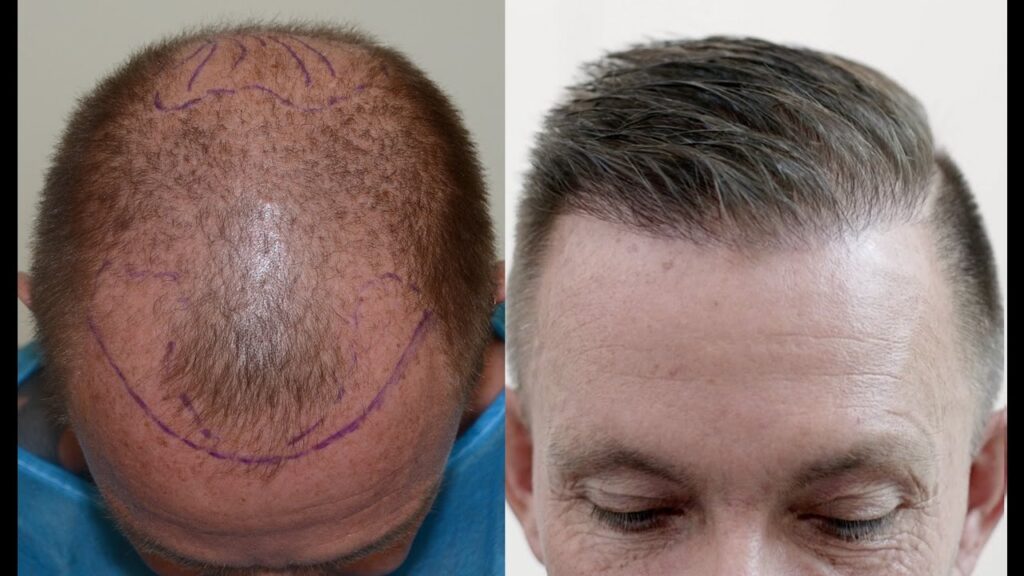
A hair transplant restores hair in areas affected by permanent hair loss but it does not always stop future hair thinning. Many people believe the procedure permanently ends hair loss but the natural aging process and genetic factors may still affect the existing hair.
Understanding why hair loss may continue helps you set realistic expectations and plan long-term hair care with your specialist.
Hair Transplant Does Not Stop Natural Hair Loss
A hair transplant moves healthy hair follicles from one part of the scalp to another. While the transplanted follicles are usually resistant to permanent hair loss the surrounding natural hair may continue to thin over time.
Future hair loss depends on factors such as:
- Genetics
- Age
- Hormonal changes
- Overall hair health
For this reason specialists plan treatment with future hair loss in mind.
Genetic Hair Loss Needs Professional Evaluation
Genetic hair loss is one of the most common reasons people choose a hair transplant. Although transplanted follicles are generally more resistant to hair loss your original hair may still be affected by inherited hair thinning.
A specialist evaluates:
- Family history
- Hair loss pattern
- Current hair density
- Scalp condition
This assessment helps create a treatment plan that supports long-term results.
Existing Hair May Continue to Thin
The procedure restores hair to thinning or bald areas but it cannot prevent natural hair from becoming thinner in the future.
If untreated hair continues to thin you may notice:
- Reduced hair density
- New thinning areas
- Changes in the hairline
- Hair loss around transplanted areas
Regular follow-up appointments help specialists monitor these changes.
Taking Early Action Can Preserve Your Hair
Many specialists recommend early treatment before hair loss becomes more advanced. Protecting existing hair may improve overall appearance and reduce the need for additional procedures later.
Early management may include:
- Medical treatments
- Lifestyle improvements
- Regular scalp evaluations
- Professional monitoring
Taking action early helps maintain healthier hair for a longer period.
Daily Hair Care Supports Long-Term Results
Although healthy habits cannot stop genetic hair loss they support overall scalp health and stronger hair growth.
Helpful habits include:
- Eating a balanced diet
- Managing stress
- Getting enough sleep
- Using suitable hair care products
- Following specialist recommendations
Good daily care supports healthier hair during recovery and beyond.
Regular Follow-Up Helps Monitor Hair Loss
Hair growth continues to change over time. Regular follow-up appointments allow your specialist to evaluate your progress and identify any new areas of thinning before they become more noticeable.
During follow-up visits your specialist may:
- Monitor hair density
- Assess scalp health
- Check transplanted hair growth
- Recommend additional treatment if needed
Regular evaluations support better long-term hair management.
Extra Treatment Options Can Support Hair Growth
Some patients achieve excellent results with one procedure while others may require additional treatment as natural hair loss progresses. The decision depends on your hair condition and long-term goals.
Possible treatment options include:
- Hair growth medications
- PRP therapy
- Scalp care treatments
- Additional hair restoration procedures
Every treatment plan should be based on a professional evaluation rather than assumptions.
Long-Term Planning Improves Hair Transplant Results
Successful hair transplant treatment involves more than restoring lost hair. Specialists also consider future hair loss donor hair availability and natural hairline design before creating a treatment plan.
If you are looking for the best hair transplant in Lahore choose a clinic that focuses on detailed consultation modern techniques and personalized treatment planning.
Institute Cosmetique provides individualized consultations to evaluate each patient’s hair loss pattern before recommending treatment.
Expert Guidance Supports Long-Term Hair Health
Managing hair loss is an ongoing process for many people. Professional advice helps patients understand their condition and choose suitable treatment options as their hair changes over time.
Institute Cosmetique also provides follow-up care and personalized recommendations to help patients maintain healthy hair after treatment.
In Closing
Hair loss can continue after a hair transplant because the procedure restores hair but does not stop the natural thinning of existing follicles. Regular monitoring, healthy habits and professional guidance help maintain long-term results. Early treatment planning and follow-up care improve the chances of preserving healthy hair for years to come.
Frequently Asked Questions
- Can hair loss continue after a hair transplant?
Yes. Transplanted hair is generally permanent but your natural hair may continue to thin over time.
- Does a hair transplant stop genetic hair loss?
No. A hair transplant restores lost hair but does not prevent future genetic hair loss in untreated areas.
- Can I need another hair transplant in the future?
Some patients may require another procedure if additional hair loss develops over time.
- How can I protect my existing hair after a hair transplant?
Following your specialist’s advice maintaining healthy habits and attending follow-up appointments can help support existing hair.
- Why are follow-up appointments important?
They allow specialists to monitor hair growth assess scalp health and recommend treatment if new hair loss occurs.