
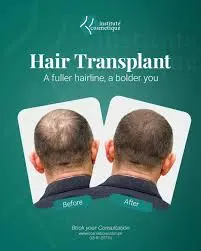
Hair loss often brings stress and confusion for people who face it for the first time. Many individuals search for clear and simple guidance before deciding on any solution. Hair Restoration Explained for First Time Patients aims to answer those early questions in a calm and practical way. This guide focuses on education. It explains the process, the preparation, and the results in simple language. It helps readers understand what happens and why. The goal is clarity, comfort, and confidence. At Institute Cosmetique, patients receive guidance that focuses on safety, realism, and long-term satisfaction. Choosing the best hair transplant in Pakistan ensures the procedure is performed by skilled professionals, offering natural results.
Understanding Hair Loss Before Treatment
Why hair thinning starts
Hair thinning often begins due to genetics, hormones, stress, or lifestyle habits. Poor nutrition and scalp issues may speed up the process. Understanding the cause helps specialists plan a better solution.
How hair growth works
Hair grows in cycles. Each strand passes through growth, rest, and shedding phases. When follicles weaken, the growth phase shortens. Over time, hair becomes thin and may stop growing.
When hair loss becomes permanent
Some forms of hair thinning respond to care products or medical support. Others become permanent when follicles stop producing hair. At this stage, surgical restoration offers a lasting option.
For More Details Visit:https://www.cosmetique.com.pk/hair_transplant_for_men_women.php
What Surgical Hair Restoration Means
Basic concept
This procedure moves healthy follicles from dense areas to areas with thinning. The relocated follicles continue to grow naturally in their new position.
How natural growth returns
Once placed, the follicles adapt to the scalp. They follow the normal growth cycle. Over time, the hair blends with existing strands.
Difference from temporary solutions
Lotions and medications support existing hair. Surgical methods focus on restoring hair in areas where growth stopped.
Methods Used in Modern Practice
Follicle extraction approach
This method removes follicles one by one from the donor area. It leaves tiny marks that heal quickly.
Strip-based approach
In this method, a small strip of scalp provides multiple follicles. Specialists close the area carefully to allow neat healing.
Advanced tools and precision
Modern tools help control depth, direction, and angle. This improves density and natural appearance.
Step by Step Patient Journey
Initial consultation
The journey starts with scalp analysis and medical review. Specialists discuss goals and assess donor strength.
Planning the design
Experts plan the hairline and density. They consider face shape, age, and future hair changes.
Procedure day experience
The process takes several hours. Local anesthesia keeps the patient comfortable. Most people remain relaxed during the session.
Placement of follicles
Each follicle goes into a tiny opening. Specialists follow natural growth angles to ensure a realistic look.
Who Can Consider This Procedure
Age and stability
Adults with stable hair loss patterns achieve better outcomes. Younger patients need careful evaluation.
Donor area quality
Healthy dense donor hair supports better coverage. Specialists examine thickness and strength.
Scalp health
A healthy scalp improves healing and growth. Active infections require treatment before any procedure.
Realistic expectations
Understanding limits helps patients stay satisfied. Full density may require more than one session.
Safety, Comfort, and Medical Care
Pain management
Local anesthesia minimizes discomfort. Most patients describe the process as easy to tolerate.
Clean environment
Sterile tools and controlled rooms reduce infection risk. Medical staff monitor each step.
Professional supervision
Qualified doctors oversee planning and execution. This ensures safety and accuracy.
Recovery and Healing Stages
First few days
Mild redness and swelling may appear. These effects fade within days.
Scabbing phase
Tiny scabs form around follicles. Proper washing helps them fall naturally.
Temporary shedding
Some transplanted hair sheds in the first weeks. This stage is normal and temporary.
Visible regrowth
New hair begins to appear after a few months. Full results take time and patience.
Aftercare and Daily Support
Washing routine
Gentle washing protects new follicles. Specialists explain timing and technique.
Sleeping position
Sleeping with head support reduces swelling during early recovery.
Activity limits
Patients should avoid heavy exercise for a short period. This protects healing follicles.
Follow-up visits
Regular checkups help monitor progress and guide long-term care.
Ingredients That Support Scalp Health
Biotin
Biotin supports hair strength and structure. It plays a role in keratin production.
Caffeine
Caffeine improves scalp circulation. It helps energize follicles during recovery.
Aloe vera
Aloe soothes the scalp and reduces irritation. It supports healing after the procedure.
Niacinamide
This ingredient supports scalp barrier health. It helps maintain moisture balance.
How to Use Supportive Care Products
Gentle cleansers
Use mild shampoos free from harsh chemicals. Apply with soft movements.
Topical solutions
Apply only recommended solutions. Follow timing and dosage carefully.
Nutritional support
Balanced meals help overall hair health. Focus on protein, vitamins, and minerals.
Benefits of Surgical Hair Restoration
Natural appearance
Proper planning creates a realistic hairline. The hair blends with existing growth.
Long-lasting results
Once follicles settle, the results remain for years. Normal grooming applies.
Improved confidence
Restored hair often boosts self-image. Many patients feel more comfortable socially.
Low daily maintenance
No special routine is required after full recovery. Normal hair care works well.
Risks and Common Concerns
Temporary effects
Redness, itching, or mild swelling may occur. These effects resolve quickly.
Rare complications
Infections are rare with proper care. Medical supervision reduces risk.
Managing expectations
Understanding timelines prevents disappointment. Growth takes months, not weeks.
Myths and Facts
Instant results myth
Results develop gradually. Patience leads to satisfaction.
Pain fear
Modern anesthesia keeps discomfort minimal.
Permanence confusion
Restored hair grows naturally and lasts long term.
Long-Term Hair Care
Protecting existing hair
Healthy habits support remaining hair. Stress control helps.
Planning future needs
Some patients may need additional sessions later. Early planning helps.
Lifestyle impact
Sleep, nutrition, and scalp care influence hair quality. Choosing the best hair transplant in Pakistan ensures guidance for long-term maintenance.
Summary
Understanding options for hair loss is the first step toward confidence. Hair Restoration Explained for First Time Patients focuses on clarity, safety, and realism. With expert planning, proper care, and patience, individuals can achieve natural, long-lasting results. Institute Cosmetique emphasizes patient comfort, ethical practice, and long-term satisfaction, ensuring first-time patients feel informed and supported throughout their journey.
FAQ’s
Is the result permanent
The restored hair grows naturally and stays long term.
When can normal work resume
Most patients can resume their normal activities after a few days.
Does the procedure suit women
Yes, women can benefit depending on hair loss pattern.
Is shaving required
Only the donor area may need trimming depending on method.
How long before final appearance
Full results often appear within one year.
Read More Articles…