
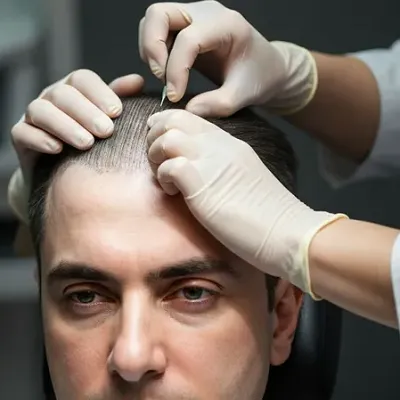
Age is one of the important factors doctors consider before recommending treatment. Hair loss can begin at different stages of life but not everyone is ready for the procedure at the same time. The right timing depends on the hair loss pattern, scalp condition and donor hair rather than age alone.
A proper evaluation helps doctors decide if hair transplant is the right option or if another treatment should be considered first.
Why Age Matters
Hair loss usually changes over time. In younger people it may continue to progress for several years. If treatment is performed too early more thinning may appear later in untreated areas.
Doctors study the pattern carefully before making a decision. This helps them create a plan that supports natural-looking and long-lasting results.
Hair Loss in Younger Adults
Some people notice hair thinning in their early twenties. Others may develop a receding hairline at a young age.
Before recommending treatment doctors usually check:
- Whether hair loss is still progressing
- The stability of the hairline
- Donor hair quality
- Overall scalp condition
Key Points to Know: If hair loss is still changing quickly doctors may recommend monitoring the condition before moving forward.
Treatment For Adults With Stable Hair Loss
People with a stable hair loss pattern often become better candidates for the procedure. Stable hair loss allows doctors to plan the treatment more accurately.
During the consultation specialists evaluate:
- The amount of existing hair
- Hair density
- The size of the treatment area
- Long-term hair restoration goals
A detailed assessment helps create a personalized treatment plan.
Why Donor Hair Is More Important Than Age
Many people believe that age alone decides whether someone is suitable for treatment. In reality, donor hair quality is often more important.
Doctors examine:
- Hair thickness
- Donor hair density
- Follicle health
- Available donor area
Healthy donor follicles can improve the chances of achieving natural-looking coverage.
Signs That Doctors Evaluate
Every patient has different needs. Doctors look at several details before making a recommendation.
These include:
- Hair loss pattern
- Scalp health
- Medical history
- Hair quality
- Future hair loss possibility
This evaluation helps doctors recommend the most suitable treatment instead of following the same approach for every patient.
Choosing the Right Time For Treatment
There is no fixed age that works for everyone. The right time depends on how stable the hair loss is and whether enough healthy donor hair is available.
Doctors usually recommend treatment when:
- Hair loss has become stable
- The donor area has good quality follicles
- The patient has realistic expectations
- The treatment plan can provide natural-looking results
Waiting for the right time can help doctors create a better long-term plan.
How Age Affects Hair Restoration Decisions
Many people think that only older adults can consider hair restoration. This is not always true. Hair loss can affect younger and older adults for different reasons.
Age alone does not decide suitability. Doctors also consider:
- The cause of hair loss
- Future thinning chances
- Scalp condition
- Available donor hair
A complete evaluation gives a clearer idea about the best approach.
Professional Consultation
A professional consultation helps identify whether the timing is suitable. Doctors examine the scalp, discuss hair loss history and understand the patient’s goals before suggesting any option.
People searching for the best hair transplant in Lahore should choose a clinic where specialists provide detailed assessments instead of recommending treatment without proper evaluation.
Planning For Long-Term Results
Hair restoration is a long-term decision. A good plan considers both current hair loss and possible future changes.
Doctors focus on:
- Creating a natural hairline
- Using donor hair carefully
- Maintaining balance between restored and existing hair
- Preparing for future hair changes
This approach helps achieve results that look natural over time.
Maintaining Hair Health at Different Ages
Taking care of existing hair is important before and after treatment. Healthy habits can support scalp condition and overall hair quality.
Helpful steps include:
- Following professional advice
- Maintaining a balanced diet
- Protecting the scalp
- Managing stress
- Using suitable hair care products
These habits can support better hair health at any stage of life.
Creating a Suitable Treatment Plan
Every person has a different hair loss journey. Some people may need treatment at a younger age while others may wait until their hair loss pattern becomes clearer.
Institute Cosmetique focuses on personalized evaluations to understand each patient’s hair condition and create a suitable restoration plan.
The right approach depends on individual needs rather than age alone.
Sum up
Age can influence hair restoration planning, but it is not the only factor that doctors consider. Hair loss pattern, donor hair quality, scalp health and future changes are also important. A proper evaluation helps determine the right time for treatment and supports natural-looking results.
Frequently Asked Questions
- What is the best age for a hair transplant?
There is no specific age. The right time depends on hair loss stability, donor hair quality and individual needs.
- Can young adults consider hair restoration?
Yes. but doctors usually evaluate whether hair loss has stabilized before recommending treatment.
- Does age affect the final results?
Age can influence planning, but donor hair quality and hair loss patterns are more important factors.
- Why is donor hair important?
Healthy donor follicles help improve coverage and support natural-looking results.
- Should someone wait before choosing treatment?
If hair loss is still progressing, doctors may suggest waiting or monitoring changes before making a decision.