
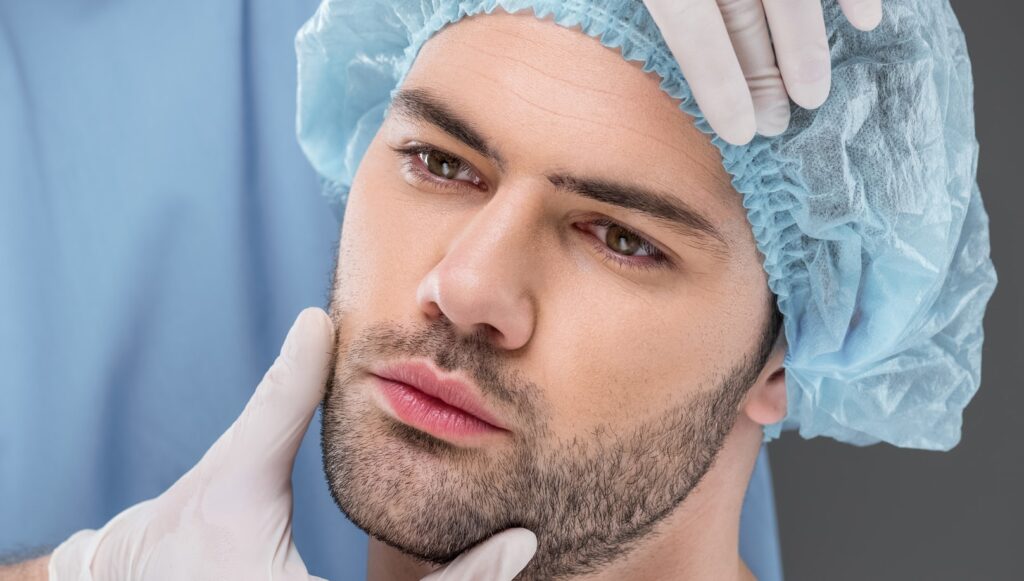
Patchy or uneven beard growth can affect facial appearance and confidence. Some men naturally have areas with less beard density while others experience uneven growth due to genetics, scars or other factors. A beard hair transplant helps improve these areas by adding hair follicles to create a fuller and more balanced beard appearance.
Reasons Behind Patchy Beard Growth
Several factors can affect beard density and growth patterns. Genetics is one of the main reasons some areas of the beard remain less developed.
Common causes include:
- Family history of limited beard growth
- Hormonal differences
- Scars or injuries affecting beard areas
- Uneven natural hair distribution
- Lack of growth in specific facial areas
Key Points to Know: Understanding the reason behind uneven growth helps specialists plan a suitable restoration approach.
Beard Design Before Treatment
A natural-looking beard requires proper planning before the procedure. Specialists consider facial structure, existing beard pattern and the patient’s desired appearance.
Important design factors include:
- Beard shape according to facial features
- Natural hair direction
- Density requirements
- Balanced coverage
Key Points to Know:A carefully planned beard design helps create results that match the overall appearance of the face.
Follicle Quality in Beard Transplant
The quality of transplanted follicles plays an important role in achieving natural results. Specialists select suitable hair follicles that can blend well with existing beard hair.
The selection process focuses on:
- Hair characteristics
- Follicle strength
- Growth pattern
- Compatibility with facial hair
Using suitable follicles helps maintain a natural beard texture after growth.
Creating Natural Beard Density
The goal of beard transplantation is not only adding more hair but also creating a balanced appearance. Excessive density in one area can look unnatural, which is why proper distribution is important.
Specialists focus on:
- Filling empty patches
- Maintaining natural spacing
- Matching existing beard growth
- Creating even coverage
Proper placement helps the transplanted hair blend with the original beard.
Beard Hair Transplant Procedure Planning
Treatment planning depends on individual beard concerns and the amount of coverage required. Some people may need small improvements while others may require more extensive restoration.
The planning process considers:
- Number of follicles needed
- Target beard areas
- Expected appearance
- Individual goals
A personalized approach helps create a treatment plan based on the patient’s requirements.
Post-Treatment Care After Beard Transplant
Recovery is an important part of the beard restoration journey. Patients usually receive specific instructions to protect the treated area during the healing period.
Aftercare may include:
- Following specialist instructions
- Keeping the treated area protected
- Avoiding unnecessary touching
- Maintaining proper hygiene
Following care guidelines supports better healing and helps protect newly implanted follicles.
Beard Growth After Transplant
New beard growth does not appear immediately after the procedure. Transplanted follicles require time to adjust and follow their natural growth cycle.
Patients may notice:
- Initial healing after treatment
- Gradual hair growth
- Improvement in beard thickness over time
- Better coverage as growth continues
Patience is important because final results develop gradually.
Choosing the Right Hair Restoration Clinic
An experienced clinic helps ensure better beard restoration results. People searching for the best hair transplant in Lahore should consider expertise and care quality. Institute Cosmetique offers personalized beard restoration consultations.
Caring for Transplanted Beard Hair
Proper care helps maintain the overall appearance of transplanted and existing beard hair. Healthy habits and suitable grooming practices support long-term beard condition.
Helpful practices include:
- Keeping the beard clean
- Using suitable grooming products
- Maintaining healthy nutrition
- Following professional advice
Regular care supports a healthier beard appearance over time.
Before You Decide: Institute Cosmetique focuses on customized hair restoration solutions by understanding each patient’s needs and providing professional guidance throughout the treatment process.
Sum Up
Beard hair transplant can help improve patchy and uneven beard growth by adding follicles to areas with reduced density. Proper planning, suitable follicle selection and professional care are important factors for achieving natural-looking results.
Every beard restoration journey is different so personalized treatment planning helps create balanced results according to individual facial features and goals.
Frequently Asked Questions
- Who can consider a beard hair transplant?
Men with patchy beard growth uneven density or areas with missing facial hair may consider a beard hair transplant after professional evaluation. - Does transplanted beard hair grow naturally?
Yes. transplanted follicles can continue to grow like natural hair after they adjust to the new area. - How long does it take to see beard transplant results?
Visible growth develops gradually, and final improvement may take several months as follicles follow their natural growth cycle. - Can beard hair transplant improve scars?
Yes. beard transplantation may help cover certain scarred areas where natural beard growth is limited, depending on the skin condition. - Is beard hair transplant permanent?
Transplanted follicles are designed to provide long-term growth but results can vary depending on individual factors and care.